
Discover Tanzania in 4 unforgettable days, combining wildlife, walking safaris, the Ngorongoro...
Overview
The 6-Day Rongai Route is a quiet and scenic way to climb Mount Kilimanjaro, offering a unique approach from the northern side of the mountain near the Kenya border. Known for being less crowded, this route provides a more remote and peaceful trekking experience while still delivering excellent opportunities to reach Uhuru Peak.
The journey begins in dry montane forest and gradually ascends through heath, moorland, and alpine desert landscapes before joining the main summit trail. The northern slopes are typically drier than other routes, offering clearer skies and distinct scenery throughout the climb.
With a 6-day itinerary, trekkers benefit from better acclimatization and a more comfortable pace, increasing the chances of a successful summit. The Rongai Route is ideal for climbers seeking solitude, scenic variety, and a less busy trail to the Roof of Africa.
Highlights
- Reach Uhuru Peak (5,895m), the highest point in Africa
- Less crowded and more remote climbing experience
- Scenic approach from the northern side of Kilimanjaro
- Trek through forest, moorland, alpine desert, and arctic zones
- Higher chances of wildlife sightings in lower forest areas
- Gradual ascent improves acclimatization
- Stunning views of Kenya plains and Kilimanjaro slopes
- Guided by professional mountain team
Includes/Excludes
- Kilimanjaro National Park entry fees
- Camping and rescue fees
- Professional mountain guides
- Experienced porters and cook
- Quality camping equipment and tents
- All meals during the trek (breakfast, lunch, and dinner)
- Drinking water throughout the climb
- Transfers from Moshi/Arusha to Rongai gate and back
- Government taxes and conservation fees
- Fair wages for mountain crew
- Summit certificate upon successful climb
- International and domestic flights
- Tanzania visa fees
- Travel and medical insurance
- Personal trekking gear
- Sleeping bag (available for rent if needed)
- Tips and gratuities for guides, porters, and cook
- Personal expenses (snacks, laundry, souvenirs, etc.)
- Accommodation before and after the trek (unless arranged)
- Alcoholic and soft drinks
- Any services not mentioned in inclusions
Itinerary
Expand allDay 1 : Drive to Kilimanjaro National Park Rongai Gate (Nale Moru), Hike to Simba Camp
Drive to the attractive wooden village of Nale Moru (about 2 hours including a stop to get permits at Marangu). After signing in and preparing the porters, you will begin the hike on a wide path that winds through fields of maize and potatoes before entering pine forest. The track then starts to climb consistently but gently through attractive forest that shelters a variety of wildlife. The forest begins to thin out and the first camp is at the edge of the moorland zone with extensive views over the Kenyan plains.
- Elevation: 2000m/6560ft to 2635m/8645ft.
Distance: 7km.
Hiking Time: 3-4 hours.
Habitat: Montane Forest.
Day 2 : Hike Simba Camp to Second Cave
The morning hike is a steady ascent up to the Second Cave with superb views of Kibo and the Eastern ice fields on the crater rim.
- Elevation: 2635m/8645ft to 3487m/11,440ft
- Distance: 6km
- Walking Time: 3-4 hours
- Habitat: Moorland
Day 3 : Hike Second Cave to Third Cave
Today we continue our hike from the Second Cave to the Third Cave.
- Elevation: 3487m/11,440ft to 3939m/12,913ft
- Distance: 4km
- Walking Time: 2-3 hours
- Habitat: Semi-desert
Day 4 : Hike Third Cave to Kibo Hut
Hike to Kibo Hut at the bottom of the Kibo crater wall. The remainder of the day is spent resting in preparation for the final ascent and a very early day!
- Elevation: 3939m/12,913ft to 4700m/15,466ft.
- Distance: 5km
- Hiking Time: 4-5 hours
- Habitat: Alpine Desert
Day 5 : Hike Kibo Hut to Summit, and down to Horombo Hut
Very early in the morning (midnight to 2am), commence the climb to the summit on steep and heavy scree or snow up to Gilman’s Point located on the crater rim (elev 5700m/18,700ft). Continuing, we now ascend to Uhuru Peak, which is the highest point in Africa. There are unbelievable views at every turn. Have your picture taken at the summit to show your friends and family. From here we descend, stopping for lunch and a rest at Kibo before continuing on to the Horombo encampment.
The beginning of this climb is done in the dark and requires headlamps or flashlights. It will be very cold until you start descending, so you will need all of your warm layers. This is by far the most difficult part of the trek with many switchbacks. Going slowly “pole pole” and an optimistic attitude will get you there!
- Elevation: 4700m/15,500ft to 5895m/19,340ft
- Down to 3700m/12,200ft
- Distance: 6km up / 15km down
- Hiking Time: 6-8 hours up / 15km/9mi down
- Habitat: Alpine Desert
Day 6 : Hike Horombo Hut to Marangu gate , drive to Moshi
After breakfast, a steady descent takes us down through moorland to the Mandara Hut. Continue descending through lush forest path to the National Park gate at Marangu. At lower elevations, it can be wet and muddy. Gaiters and trekking poles will help. Shorts and t-shirts will probably be plenty to wear (keep rain gear and warmer clothing handy).
A vehicle will meet you at Marangu gate to drive you back to your hotel in Moshi (about 1 hour).It is time for celebration
- Elevation: 3700m/12,200ft to 1905m/6250ft
- Distance: 19km
- Hiking Time: 5-7 hours
- Habitat: Forest
Have a question before booking? Message us to learn more.
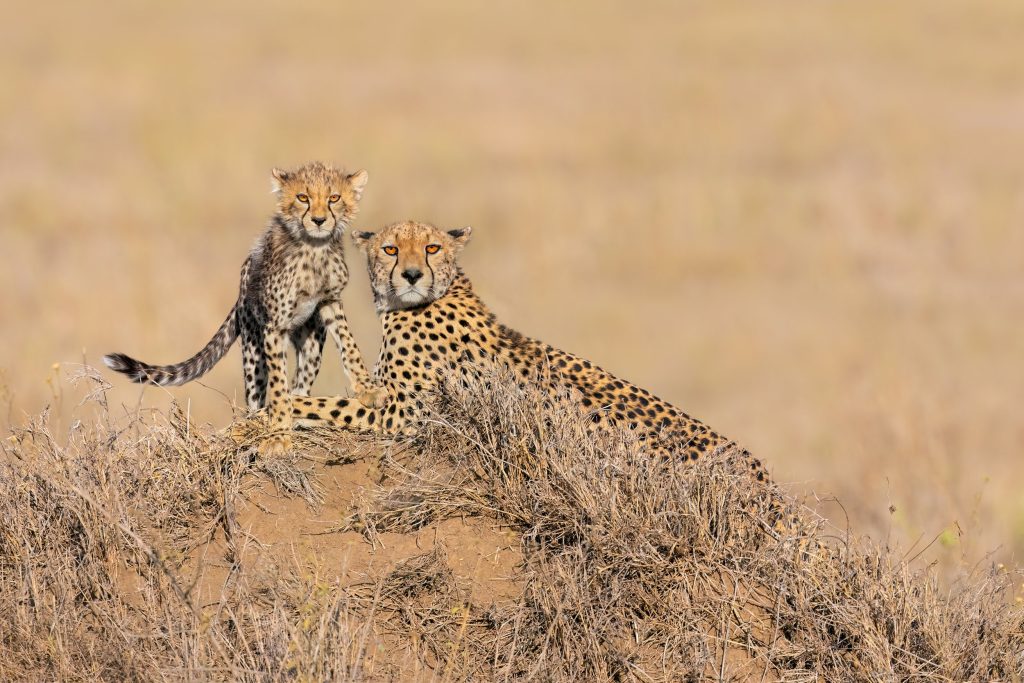
7-DAYS TANZANIA SAFARI
Embark on an unforgettable 7-day Tanzania safari through Tarangire, Serengeti, and Ngorongoro,...

8-Day Serengeti Photography Safari
Capture the beauty of Tanzania on an unforgettable 8-day Serengeti Photography Safari,...

From Kilimanjaro treks to safaris and beach escapes in Zanzibar, we offer unforgettable journeys that showcase the beauty and culture of Tanzania, all while promoting sustainable and responsible tourism.
Company
Travel Tips
Company
Travel tips
© 2026. All right reserved.
Designed by | Nolch